
Keyword Research Understanding Exactly What Your Customers Are Searching For
Keyword research is the foundation of every effective SEO campaign. It sounds straightforward, find the words people search for and rank for them, but done properly it's a significant piece of analytical work that shapes every subsequent SEO decision: which pages to build, how to structure them, what content to create, and in what order to prioritise the work. The most common keyword research mistake is targeting the most obvious terms. A law firm targeting 'solicitor' is competing with every law firm in the country. A law firm targeting 'commercial property solicitor Lincolnshire' is competing with a fraction of that number for a search that represents a much more qualified prospect.
No hard sell.
or call 0800 699 0037
















Search Intelligence
What Effective Keyword Research Uncovers
The keywords you already know about, your core service terms. These are the starting point, not the destination. For most businesses, the core terms are competitive, high-volume, and genuinely worth targeting. We establish their current rankings as a baseline. Local variants that competitors are missing. The specific geographic qualifiers, town names, county names, 'near me' variations, neighbourhood references, that reduce competition dramatically while maintaining high commercial intent.
Long-tail opportunities. Longer, more specific search phrases that individually have lower volume but collectively represent significant traffic, convert at higher rates because the intent is more specific, and are often significantly easier to rank for than short-tail terms. Question-based searches. The questions people ask before they're ready to buy. These are informational searches that content marketing can capture, building visibility and trust at the research stage of the buyer journey.

The Research Process
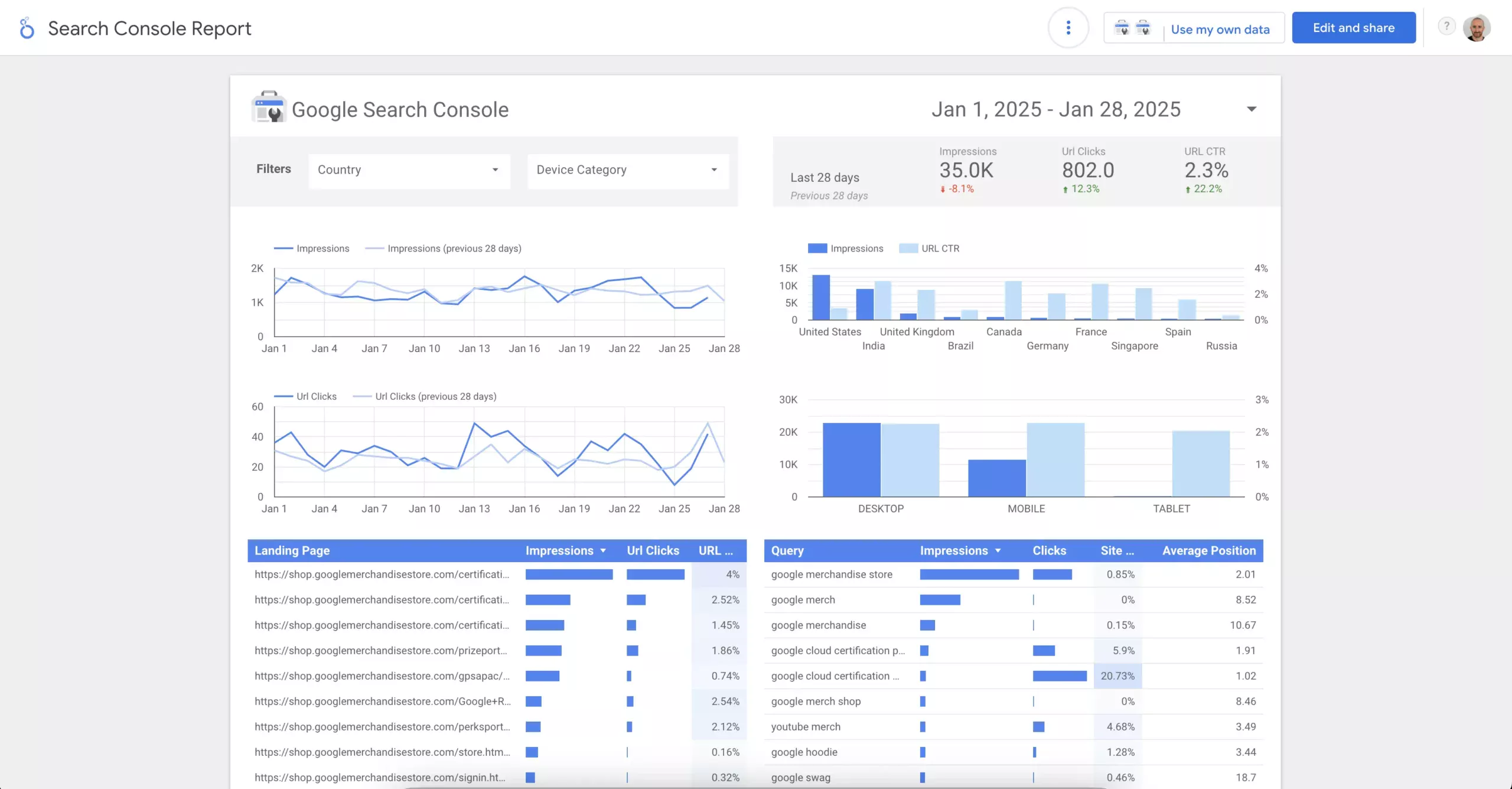
We use a combination of tools and approaches: Ahrefs for keyword data, search volume, and difficulty. Google Search Console data for the searches your site already appears for, often revealing ranking opportunities you didn't know existed. Google's own keyword planner for advertising intent data. And manual search analysis to understand the SERP landscape for target terms.
The output is a prioritised keyword map, grouping keywords by topic, intent, and the pages that should target them. This map becomes the blueprint for the content strategy and page architecture decisions that follow. Combined with on-page SEO, the research translates directly into rankings.
Keyword Research for Different Purposes
Pre-build keyword research shapes the architecture of a new website, ensuring the site is structured with the right pages targeting the right search terms from day one. This is far more efficient than building a site and retrofitting SEO onto it later.
Ongoing campaign keyword research finds new opportunities as the site's authority grows and the low-hanging fruit has been captured. Terms that were too competitive six months ago become realistic targets once the site has accumulated more authority.
Content strategy keyword research identifies the informational and mid-funnel searches that a blog and resources section should target, building organic traffic from people who aren't yet ready to buy but can be captured earlier in their research journey.


Competitor Gap Analysis
Keywords that your competitors are ranking for that you aren't represent the clearest short-term opportunities. Competitor gap analysis is a standard part of our keyword research process and often the quickest route to identifying untapped opportunities.
Understanding what your competitors target, and where they're weak, allows us to build an SEO strategy that exploits genuine gaps rather than fighting for the same terms everyone else is chasing.
FAQs
01 How do you decide which keywords to target first?
By the combination of search volume, commercial intent, current ranking position, and difficulty. We prioritise terms where the gap between current position and page one is smallest and where the commercial value of ranking is highest. The quickest wins with the most impact.
02 How many keywords should I be targeting?
There's no right number. A small local service business might have twenty to fifty primary target terms. A larger site with multiple services and locations might have hundreds. What matters is that every target keyword maps to a specific page that's optimised to rank for it.
03 Do you use AI tools for keyword research?
We use AI to assist with research tasks but we don't rely on it for the analytical judgement that determines which keywords are worth targeting and why. The commercial context, which terms represent the highest-value prospects and which have intent that doesn't match the business, requires human judgement that AI tools can't reliably provide.
04 How often should keyword research be updated?
Keyword landscapes change, particularly in sectors where new services emerge, competitor strategies shift, or algorithm updates change what ranks for which terms. We recommend a full keyword review annually and ongoing monitoring for significant changes.
05 Can keyword research tell me what my competitors are ranking for?
Yes. Competitor keyword analysis, identifying the terms competitors rank for that you don't, is a standard part of our keyword research process and often the quickest route to identifying untapped opportunities.
06 Is keyword research done once or is it ongoing?
Both. An initial research project establishes the full keyword landscape. Ongoing monitoring tracks ranking changes for target terms and identifies new opportunities as they emerge.