Architects

Web Design for Architects: Portfolio-Led Sites That Win Commissions

An architect's website has to do two jobs at once. Show the work with the quality it deserves, and convince a prospective client that the practice behind it can be trusted with their house, their office, or their public building.

Web Design for Architects: Portfolio-Led Sites That Win Commissions

Web Design for Architects

An architect's website has a design problem most industries don't. It has to present visual work at the quality that work deserves, load fast enough that a planning officer or a private client on 4G doesn't bounce, and communicate the practice's judgement clearly enough that the enquiry is qualified before the first phone call. That's a genuine tension. High-resolution photography and heavy imagery fight page speed. Big hero galleries fight clarity of navigation. Awards and RIBA credentials fight the plain answer to "can you get my extension through planning?"

We build websites for architectural practices that resolve those tensions on purpose rather than by accident. Projects are treated as case studies, not decoration. Image handling is done properly so photography loads at the size and quality it needs and not a byte more. RIBA membership, chartered status and CIAT affiliation sit where prospects actually look for them. And the site is structured so a residential client, a commercial developer and a public sector procurement officer can each find the page that speaks to them.

This page is longer than most because the decisions matter. If you'd rather skip the reading and talk about your practice, our contact page is here. Otherwise, here's how we think about websites for architects and why it changes what we build.

Web Design for Architects: Portfolio-Led Sites That Win Commissions

Your Website Sells Your Judgement, Not the Buildings

It's tempting to think of an architect's website as a gallery. Beautiful project after beautiful project, one after another. And the gallery matters. But the gallery on its own is a portfolio, not a website. A prospective client scrolling through images can see the buildings are good. What they can't see, and what they need to see before they'll pick up the phone, is how you got there.

The brief the client gave you. The site constraints, listed status, conservation area, awkward setback, sloping plot, tight budget. The planning story, whether it went through on delegated powers or committee, whether you took it to appeal, what the officer's initial view was. The design decisions and why you made them. What the client wanted to change halfway through and how you handled it. That's what convinces the next client that you'll handle their project with the same judgement.

So when we build a website for a practice, the project case study is the star of the site, not a bolt-on. Each case study gets its own page. Each page has room for the story as well as the images. And the site's whole structure treats the portfolio as the reason people visit, because for most architectural enquiries it is.

What a Real Project Case Study Contains

A case study that converts a browser into an enquiry has more than photos and a project title. It has a clear structure that reads like a short piece of professional writing. It answers the questions the next client is going to ask.

We build case study templates that include: the brief in a short paragraph the client would recognise as their own words, the site and its constraints, the design response with the key drawings or diagrams, the planning route and outcome, the construction or delivery notes if relevant, and the finished result with proper photography credited to the photographer. Two or three quotes from the client where they exist. A short lessons-learned note where you're comfortable including one.

The structure repeats across projects, which sounds boring but does something important. It lets a prospective client compare projects on the same terms, and it lets Google understand what each page is about. A residential extension case study, structured this way, will rank for the search someone runs when they've just been told by their planner that their neighbour's application went to committee. A commercial fit-out case study will rank for the terms a commercial developer types when they're shortlisting practices.

Planning-Heavy Search Intent

A large slice of the searches that bring people to architects' websites are planning searches. "Architect for listed building extension." "Planning permission for garden office." "Change of use architect near me." "Architect who does planning appeals." People don't type "good architect." They type the problem they've got.

That matters for how the site is structured. A homepage that talks about design philosophy is fine, but a site that only has a homepage, an about page, a portfolio and a contact page will rank for none of those planning searches. The pages that rank are the ones that answer a specific planning question or describe a specific service.

For most practices we build, that means dedicated pages for the kinds of planning-adjacent work you actually take on. Householder extensions. Change of use. Listed building consent. Conservation area work. Green belt development where it applies. Prior approval and permitted development. Each page explains the process from the client's point of view, what you do, what a realistic timeline looks like, and where an architect earns their fee. None of it invents expertise. It documents the expertise you already have in a form Google can index and a private client can understand.

That's also where our SEO work earns its keep for architectural practices. The keywords aren't glamorous, but they're highly qualified. Someone searching "listed building architect Lincolnshire" is a very warm lead. A page written properly for that search does more than a hundred impressions on a generic "architects" term.

Residential, Commercial and Public Sector: The Three-Way Split

Most established practices do at least two of these, and some do all three. The problem is that residential clients, commercial clients and public sector clients want completely different things from your website.

A residential client is often a first-time buyer of architecture. They need reassurance that the process isn't going to be a nightmare, a rough idea of cost stages, an explanation of RIBA work stages in plain English, and photographs of finished homes that feel like homes. They read testimonials. They read your FAQ. They want to know if you'll come to site.

A commercial client is usually a repeat buyer. They know what an architect does. They want to see project sectors that match theirs, they want to see delivery on time and on budget, they want to know your team's capacity, and they want to see BIM and technical credentials. They read the case studies straight through and skip the FAQ.

A public sector client, whether it's a local authority procurement officer or a health trust estates team, needs specific things visible fast. Chartered practice status. Insurance levels. Framework experience. Case studies in the relevant sector, ideally with named public clients where non-disclosure permits. They'll close the tab if the site doesn't make those signals easy to find in the first minute.

So the navigation on a practice website that serves more than one of these audiences needs to route them cleanly. We usually structure it as a sector-led architecture: Residential, Commercial, Public, with the portfolio filterable by sector, and dedicated landing pages that speak to each audience in the register they expect. The homepage sits above all of that and does the general job of representing the practice.

RIBA, ARB, CIAT and How Credentials Should Be Displayed

Chartered Practice status with the RIBA, individual ARB registration, chartered membership of the RIBA, RIAS or RSUA for the country you're in, and CIAT membership for chartered architectural technologists are the credentials that architectural clients actually recognise. If you have them, the site should say so clearly and consistently.

We handle this in three places. First, in the footer, as a row of credential marks with the correct wording. RIBA has specific rules about how the Chartered Practice mark is used, and ARB has rules about how you describe individual registration. We use those rules rather than invent our own wording. Second, on the About page, where each named team member's ARB or RIBA membership is stated with the correct suffix. Third, in the site's structured data, so search engines see the practice's credentials as machine-readable facts and not just decorative logos.

That last point matters more than it sounds. Google's AI Overview and its "about this business" panels are increasingly driven by structured data. A practice that has correctly marked-up credentials is more likely to appear in those panels with the credentials attached. A practice that only has the logo in the footer is not.

Image Handling: Where the Website Lives or Dies

Architectural photography is the reason architects have websites and it's also the reason most architects' websites are too slow to rank. Uncompressed hero images at 4MB, no lazy loading, no responsive srcset, no next-generation formats. It's a common pattern and it costs practices ranking, PageSpeed scores and, in some cases, enquiries from prospects on mobile connections in poor coverage areas.

We treat image handling as a first-class engineering problem. Every image on the sites we build is served in WebP or AVIF with a JPEG fallback for older browsers. Every image has a responsive srcset so the right size is delivered for the device. Every image below the fold is lazy-loaded. Every image has descriptive alt text written for accessibility rather than keyword stuffing.

For hero images and portfolio galleries, we go further. We build image pipelines that let the practice upload a single high-resolution master and have the site generate the delivery variants automatically. That means the studio's photographer's master file is preserved, the site loads fast, and the practice doesn't need to remember to resize things. It just works.

Image Licensing and Rights: The Bit Most Practices Get Wrong

Architectural photography is almost always licensed, not owned. The photographer holds the copyright. The practice is licensed to use the images for specific purposes, and often the client is licensed separately. Awards submissions, book publications, third-party press and website use may all be treated differently in the licence.

We've seen practices land in awkward positions because a photographer's licence was for print use only, or because a licence expired after five years and nobody noticed, or because a project photograph was reused for a marketing campaign that fell outside the original scope. It rarely becomes a lawsuit. It often becomes an uncomfortable email and a takedown.

So when we build a practice's website, we recommend keeping a simple licence record for every set of project images. Photographer, date, permitted uses, expiry if any, credit line required. The site should credit the photographer where the licence requires it, and the practice should have visibility of when licences need renewing. It's a small piece of admin that saves large problems.

The same applies to visualisations produced by a third-party CGI studio, to drone footage produced under a licence, and to any imagery supplied by the client of the finished building. Don't assume you own it. Check.

Sole Practitioners vs Larger Practices: Different Site Structures

The right website for a two-person practice doing sensitive residential work in a conservation area is not the same website as the right one for a twenty-five person practice with residential, commercial and public sector teams.

For a sole practitioner or a small residential-focused practice, the site should feel personal. The architect's name is often the brand. The About page is often the second most visited page on the site because clients want to know who they're hiring. The portfolio can be tighter, six to twelve projects, each with a strong case study. The FAQ page is worth writing properly because you're often talking to first-time buyers of architecture who have real questions about fees, stages and timeline. Enquiry forms should be short. A three-field form outperforms a fifteen-field form for a domestic client every time.

For a larger practice, the site is more institutional. There's usually a leadership team page with named directors and sector leads. There are sector landing pages. There's often a news or journal section because winning larger commissions is partly about being visible in the industry press. There's a careers section. The portfolio is deeper, twenty to fifty projects, filterable, with the strongest work at the top of each filter. Case studies often include collaborators and consultants named, because larger commissions turn on the strength of the whole team.

The engineering underneath the site changes too. A small practice can happily run on WordPress with a well-built theme. A larger practice with multiple content editors, an active journal, and case studies produced by different team members will want stronger editorial workflows, roles and permissions, and often a more structured content model. We build both. The right answer is whichever one matches how the practice actually operates.

Where Codesky Fits

We're Codesky, a Lincolnshire website design and digital marketing agency based in Grantham. We build websites on WordPress, coded from scratch rather than assembled from page-builder blocks, which matters for image handling, page speed, and long-term editability. We run SEO and PPC alongside where the practice wants a full growth programme. And we work with a small roster of clients on purpose, which means when you're talking about your website you're talking to the people building it.

For architectural practices specifically, we've thought hard about the tensions this page describes: visual weight versus performance, credentials versus clarity, single-audience simplicity versus multi-audience routing, and the licensing questions that come with using someone else's photography to sell your own work. We don't claim to be the only agency that thinks about this. We do claim to think about it before we start building.

Have a look at our wider industry pages if you want to compare how we approach different sectors, or head straight to the contact page to talk about your practice.

How We Help

Services for Architects

Website Design

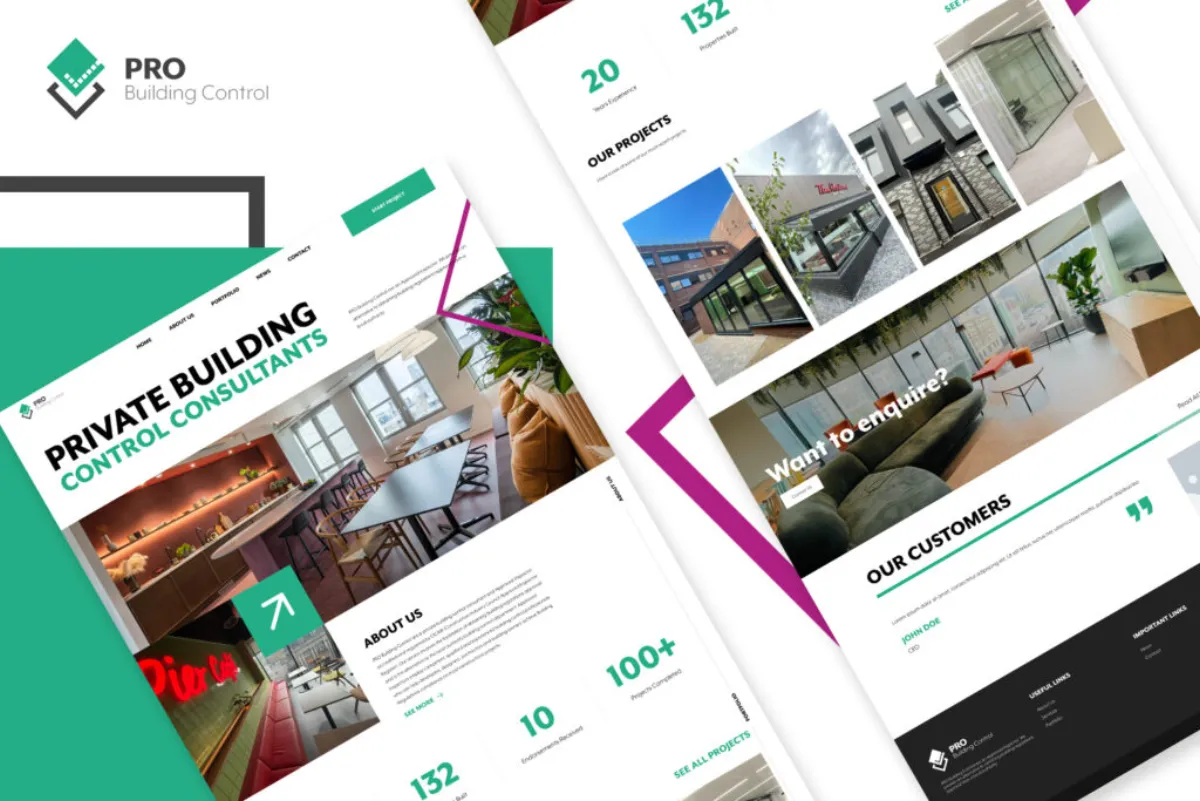
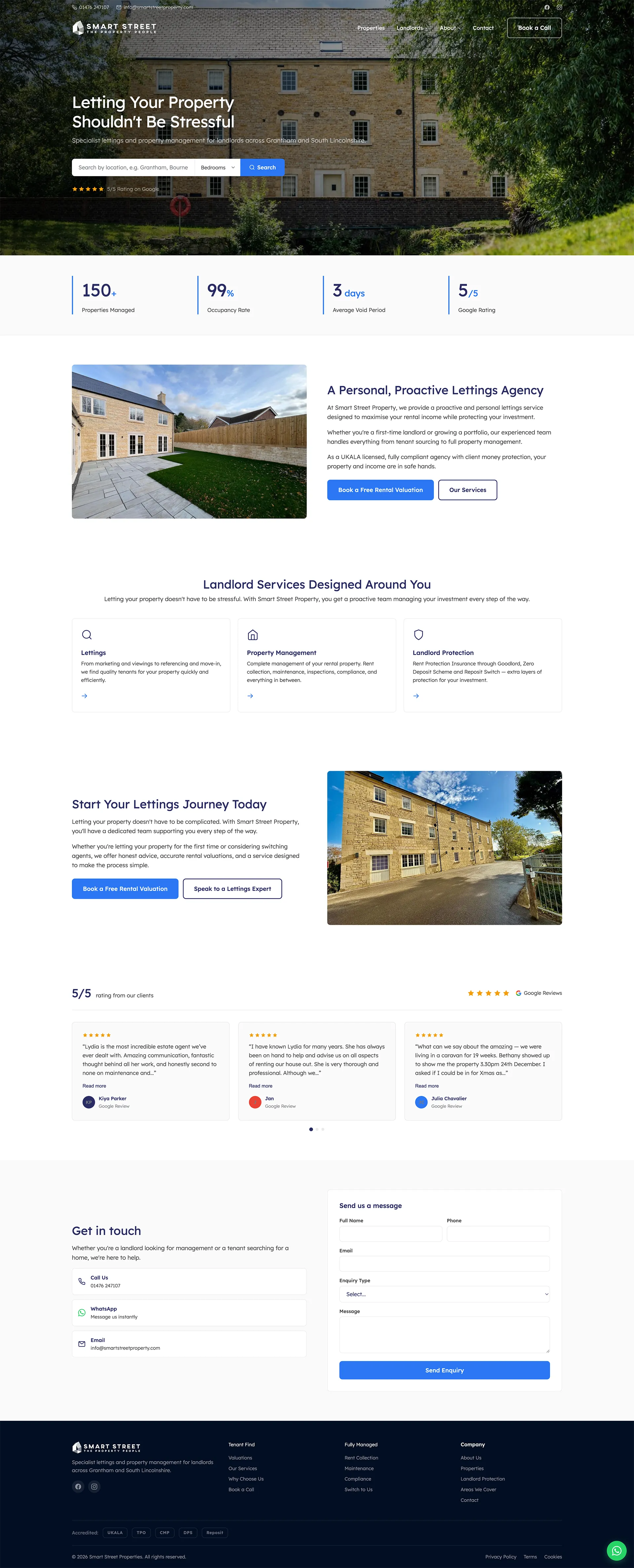
Portfolio-led websites for architects with proper image handling, credential display, and case-study structures that convert enquiry into commission.

Learn More

SEO

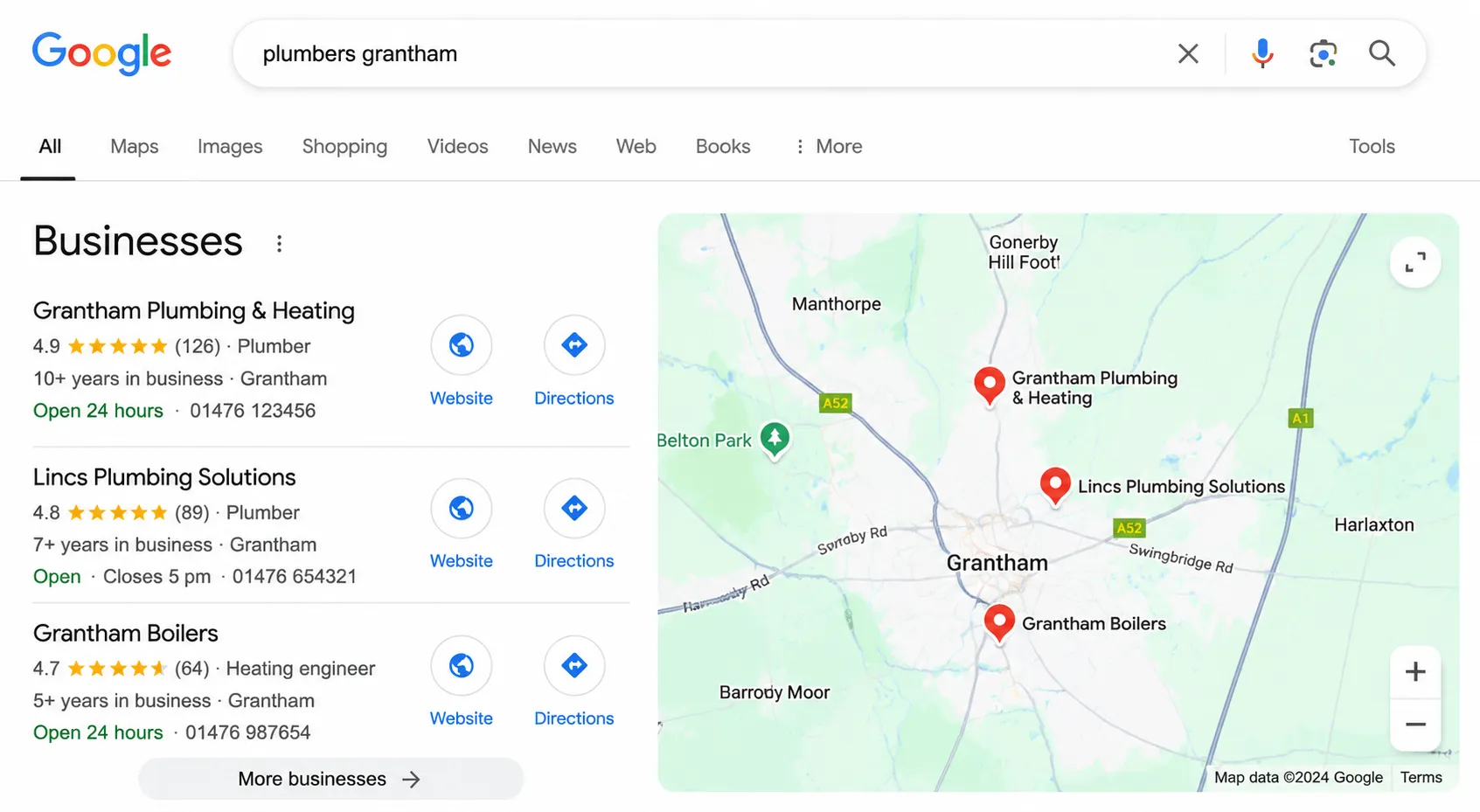
<a href="https://codesky.co.uk/seo/">SEO</a> for architects targeting planning-heavy search intent and sector-specific terms your practice actually wants to win work on.

Learn More

PPC

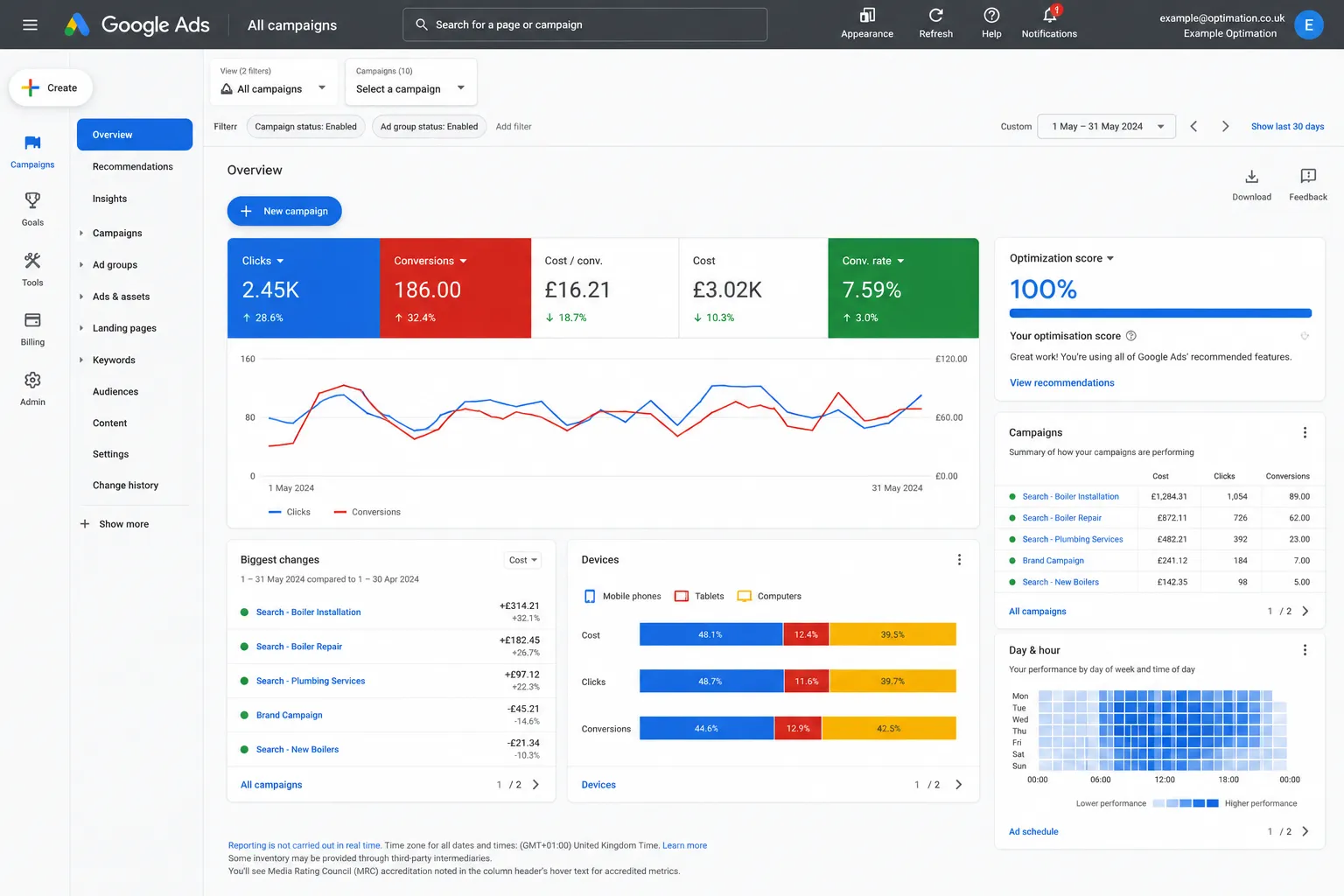
Google Ads for architectural practices with tight geographic targeting, sector-level campaign structure and landing pages that match the search intent.

Learn More

FAQ

Frequently Asked Questions

01 How should I display our RIBA Chartered Practice status on the website?

Use the RIBA's own Chartered Practice mark in the footer with the correct wording the RIBA publishes for members. State the practice's registration number where the RIBA recommends it. On the About page, name each chartered team member with the correct RIBA suffix, and state individual ARB registration separately where the person is on the ARB register. Add the credentials to the site's structured data so search engines can read them.

02 Our project photography is licensed from a photographer. Can we use it on the new website?

Almost always yes, but check the licence. Most architectural photography licences cover the practice's own marketing use including its website, but some are time-limited, some exclude third-party press, and some require a specific credit line. Ask the photographer to confirm in writing if the licence isn't clear. If you're commissioning new photography, agree website use, licence duration and credit requirements up front.

03 Do you build websites for sole-practitioner architects as well as larger practices?

Yes. The scale of the practice changes the site structure, the editorial workflow and often the depth of the portfolio, but not the standard of the work. Sole practitioners get a site that feels personal and works hard for domestic enquiries. Larger practices get sector routing, editorial workflows and the structure they need to represent a bigger team.

04 Will a new website actually help us win planning-heavy work?

It can, if the site is structured to answer planning questions. Most enquiries for planning-adjacent work start with a specific search: listed building consent, householder extension, change of use, appeal work. A site that has a proper page for each of those services, with an honest explanation of the process, will pick up qualified enquiries from local search. It won't do it on its own, but paired with local SEO and a well-completed Google Business Profile it can carry a meaningful share of new work.

05 Can you make our project photography load fast without losing image quality?

Yes. We serve images in WebP or AVIF with fallbacks, use responsive srcset so devices only download the size they need, and lazy-load anything below the fold. Hero images are handled separately so they load fast on first paint. Your photographer's masters are kept intact. The site handles the delivery variants.

06 We're a multi-sector practice. Should our residential, commercial and public work sit on the same site?

Usually yes, with clear internal routing. A single well-structured site with sector-led navigation and dedicated landing pages for each sector is easier to maintain than three sites and stronger for SEO because the whole domain builds authority together. The exception is when a sector operates under a separate brand for good reason, in which case a separate site can be justified.

07 Do you work with practices outside Lincolnshire?

Yes. We're based in Grantham and work with practices across the UK. Most of the discovery work happens on video call, we visit in person for larger projects where it's useful, and the day-to-day production happens with the same small team you meet at the start.

Ready to Talk About Your Practice's Website?

Tell us about the practice, the sectors you work in and what the current site is doing well or badly. We'll come back with an honest read on whether we're the right fit and what a project would look like.

Talk to Us About Your Project